
Dr Vincent Brown, 65, of Islington faces seven charges over the 1994 genocide in Rwanda, the first case of its kind in the UK. Why his address matters.
A 65-year-old Islington man has been charged with seven offences connected to the 1994 genocide against the Tutsi in Rwanda. They are the first charges of their kind brought anywhere in the United Kingdom.
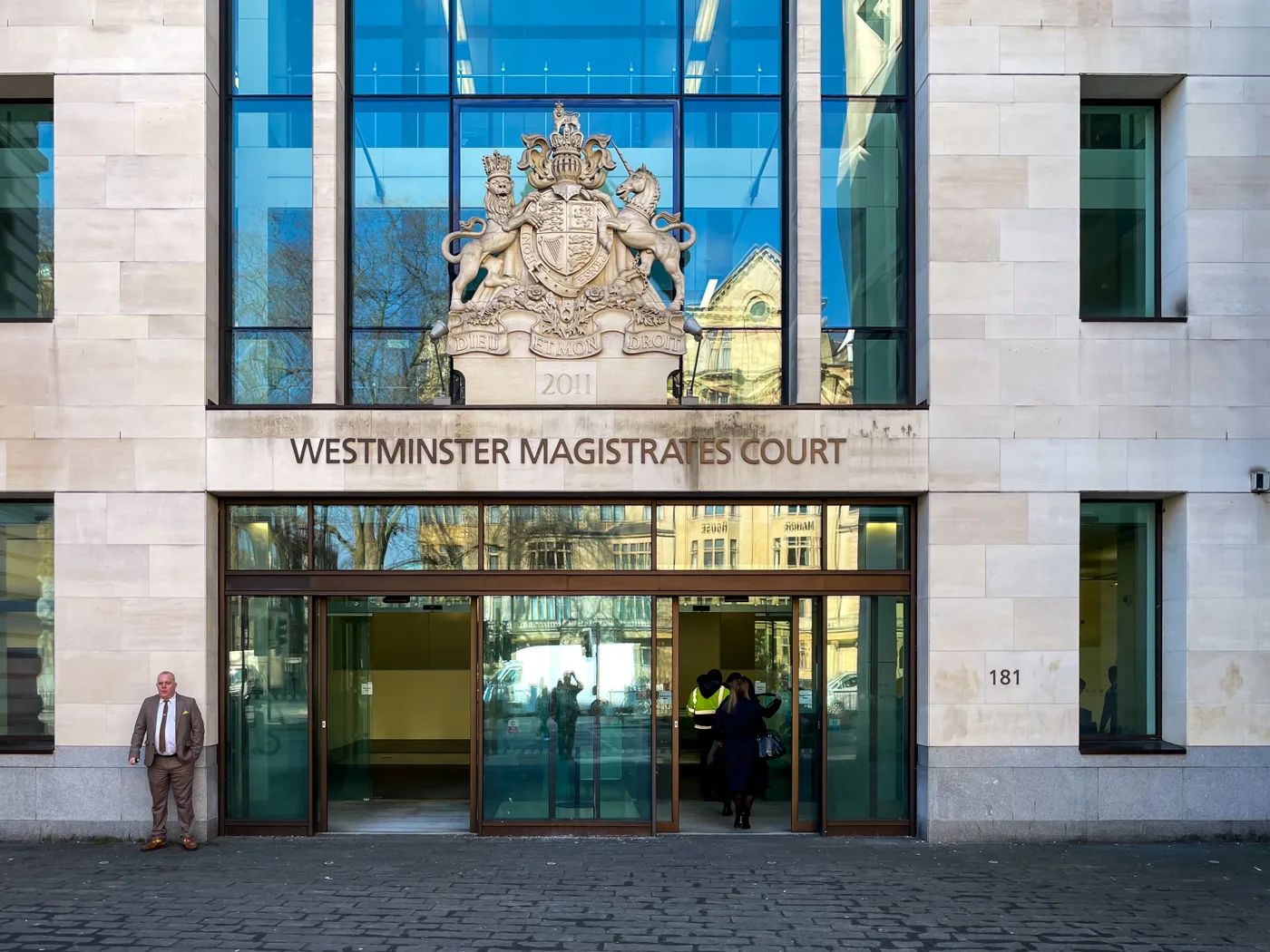
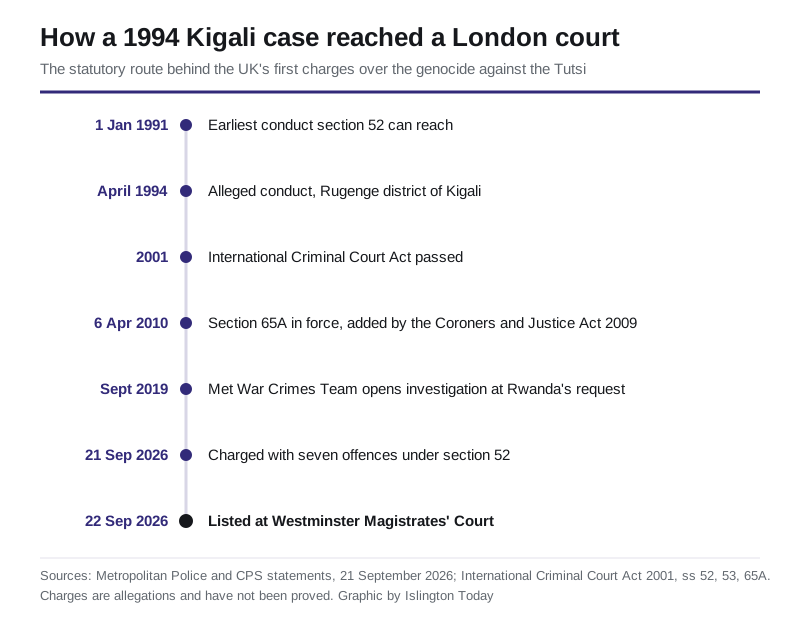
Dr Vincent Brown, formerly Dr Vincent Bajinya, was arrested and charged on Monday 21 September. The Crown Prosecution Service said he is originally from Kigali in Rwanda and now lives in Islington, north London. The Metropolitan Police said he was remanded in custody to attend Westminster Magistrates’ Court on Tuesday 22 September.
Nothing has been proved. The charges are allegations, and Dr Brown is entitled to a fair trial.
The seven charges
The Crown Prosecution Service authorised the charges after reviewing a file of evidence from the Met’s War Crimes Team. All seven are contrary to section 52 of the International Criminal Court Act 2001. The force set them out as:
- one count of conduct ancillary to genocide in April 1994 in Kigali, “with the intent to destroy in whole or in part the Tutsi ethnical or racial group, namely encouraging others to kill members of that group as such”
- six counts of conduct ancillary to murder as a crime against humanity, in Kigali, in April 1994
Frank Ferguson, head of the CPS Special Crime and Counter Terrorism Division, said the charges “relate to allegations that Dr Brown took part in the genocide against the Tutsi in Rwanda in 1994”. He said Dr Brown “is alleged to have directed and incited acts of murder and genocide carried out by others”.
Ferguson added that the CPS “makes prosecution decisions independently of police and government, on the evidence available and in accordance with the law”.
Why a London court can hear a case about Kigali
The alleged conduct happened in Rwanda, in April 1994. Two features of the Act bring it within reach of an English court, and one of them is the Islington address itself.
The first is residence. Section 52 covers conduct ancillary to genocide committed outside the jurisdiction. Section 52(4) applies the offence to acts committed outside the UK by “a United Kingdom national, a United Kingdom resident or a person subject to UK service jurisdiction”. Counter Terrorism Policing makes the same point in plain words on its own war crimes page: “If a UK resident has been responsible for core international crimes anywhere in the world, they may be investigated and prosecuted in the UK.”
The second is the date. The Act reached the statute book in 2001, seven years after the genocide. Section 65A applies section 52 to conduct a person engaged in “on or after 1 January 1991”. That section was not in the original Act. It was inserted by section 70(3) of the Coroners and Justice Act 2009 and came into force on 6 April 2010. Without it, April 1994 would fall outside the Act entirely.
A seven-year investigation
The Counter Terrorism Policing War Crimes Team opened the investigation in September 2019. The Met said it followed a formal request from the Government of Rwanda to investigate those allegedly involved in a genocide in the Rugenge district of Kigali in April 1994.
The force described “a complex and extensive seven-year investigation, involving numerous deployments and significant international cooperation”.
Commander Helen Flanagan, head of Counter Terrorism Policing London, said: “To secure the first-ever UK charges related to a genocide has involved a huge amount of work and determination from officers in the War Crimes Team.”
She added: “This case demonstrates the UK is not a safe haven for individuals suspected of committing international crimes.”
Flanagan also said a number of other investigations remain ongoing into other individuals in the UK for similar offences related to the genocide in Rwanda.
What happens next
The case will not stay at Westminster Magistrates’ Court. Section 53(2) of the Act makes offences under section 52 triable only on indictment. A magistrates’ court cannot try them. Its role is the first hearing, after which the case is sent to the Crown Court.
Section 53(3) sets a further control on cases of this kind. Proceedings “shall not be instituted except by or with the consent of the Attorney General”. A charge under section 52 cannot be brought on the decision of police and prosecutors alone.
What it means for you
The address at the centre of this case is in Islington, but the case will not be heard in the borough. It goes to Westminster Magistrates’ Court on Marylebone Road, and then to the Crown Court.
The more immediate point for residents is what the CPS said about posting online. Criminal proceedings are now active, which limits what anyone may publish, including on local social media groups. Ferguson said: “The defendant has the right to a fair trial, and it is extremely important that there should be no reporting, commentary or sharing of information online that could prejudice those proceedings.”
That applies to neighbourhood pages and community groups as much as to news outlets. Sharing speculation about an active case is not a neutral act.
The Met has also said its War Crimes Team is still investigating other individuals in the UK over the genocide in Rwanda. Counter Terrorism Policing asks anyone who witnessed or survived core international crimes, or who has information identifying someone in this country responsible for them, to come forward. It lists these routes on its war crimes page:
- its online war crimes reporting form
- email to SO15Mailbox.WarCrimesTeam@met.police.uk
- 101 at any time, or textphone 18001 101
- in person at any police station
The team says reports do not have to be in English, and that information is treated in confidence.
Sources
- Metropolitan Police, Counter Terrorism Policing investigation leads to first UK charges linked to 1994 genocide against the Tutsi in Rwanda, 21 September 2026
- Crown Prosecution Service, First genocide offences in the UK as man charged following Tutsi killings in Rwanda, 21 September 2026
- International Criminal Court Act 2001, section 52, section 53 and section 65A
- Counter Terrorism Policing, War Crimes
Have your say